Microsoft pivots to silicon diversity for Azure AI
Microsoft is implementing a "silicon diversity" strategy across its Azure AI infrastructure, integrating platforms such as AMD to handle scaling AI workloads.
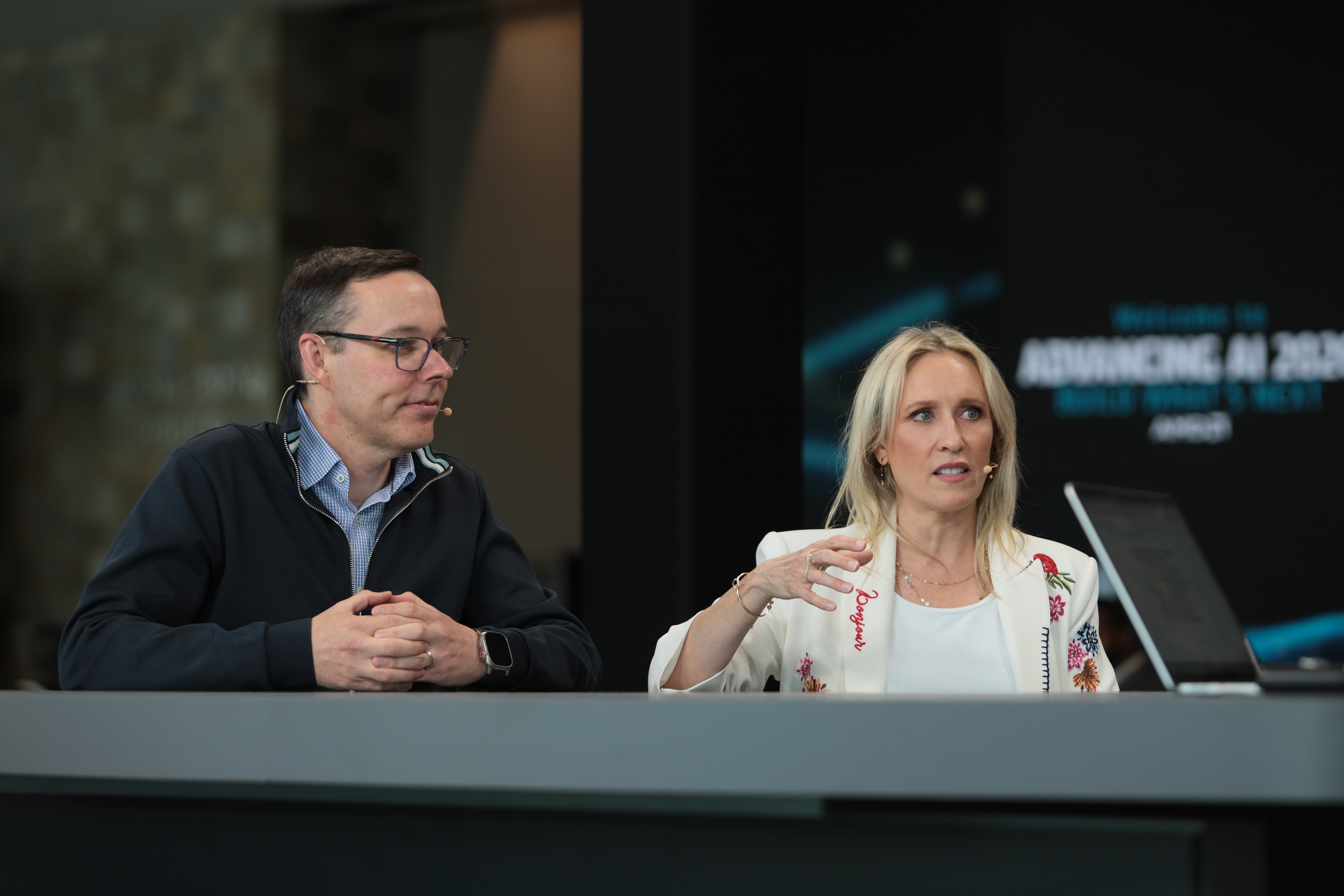
What happened?
Microsoft has announced a commitment to a strategy termed "silicon diversity" to meet the growing demand for AI computing power within Azure. This means Microsoft is moving away from reliance on a single chip supplier, instead building systems capable of handling various processors including GPUs, CPUs, and custom silicon. It was recently confirmed that AMD's Helios rack-scaling platform will be deployed in the Azure environment to power frontier model inference, complemented by new EPYC-based virtual machine families.
Key facts
| Datum för tillkännagivande | 23 juli 2026 |
|---|---|
| Partnerskap | Microsoft och AMD |
| Teknik | AMD Helios rack-skalningsplattform, AMD EPYC-baserade virtuella maskiner |
| Mål | Driva inferens av frontiermodeller |
”We couldn’t be more thrilled. We need this collaborative silicon diversity. It completes the picture, because we’re not building point solutions, we’re building systems from the ground up. We need that complete picture to bring the value back to customers as we get to these bigge”
Why it matters
The need for silicon diversity arises as AI workloads rapidly exceed the capacity of any single chip architecture. With demand for compute resources outstripping supply, cloud providers are forced to build flexible systems rather than tethering themselves to a specific vendor's roadmap. This multi-vendor approach is considered critical for scaling AI services and delivering value, particularly as data centres continue to grow in size.
Who is affected?
This strategy primarily affects Microsoft Azure customers, especially those developing and deploying AI applications. Companies like AMD, now a key supplier to Azure, stand to benefit. Additionally, developers will gain access to a broader, more flexible infrastructure for their AI projects.
What else you should know
Alistair Speirs, General Manager for Azure Infrastructure at Microsoft, emphasised that "silicon diversity" is essential for building complete systems, rather than just point solutions, to meet the evolving needs of the AI sector.
Quick answers about this story
Vad har hänt?
När hände det?
Varför spelar det roll?
Vilka bolag berörs?
The link opens in a new window and leads to the publisher's own site.
Källan har spårats automatiskt från utgivaren via Aheadlines signalkedja.
AI-verktyg i artikeln
Topics
Get similar news straight to your inbox
The reader's room
Send in a question or an addition. The newsroom reads everything before it's published and replies when relevant. No AI-generated text – just people.
Sign in to submit a comment or question.
Read the article through your role
- Assess technical risk: model choice, vendor lock-in, data flow and running cost.
- Update the architecture doc if new APIs or regulations touch production.
- Ensure observability + rollback plan before rolling out to production.
Generated angle — not editorial analysis of "Microsoft pivots to silicon diversity for Azure AI"