Meta launches image generation with code and search capabilities
Meta launched Muse Image on 7 July 2026, an AI model for image generation capable of writing code and searching the web. The model is integrated into the Meta AI chatbot.
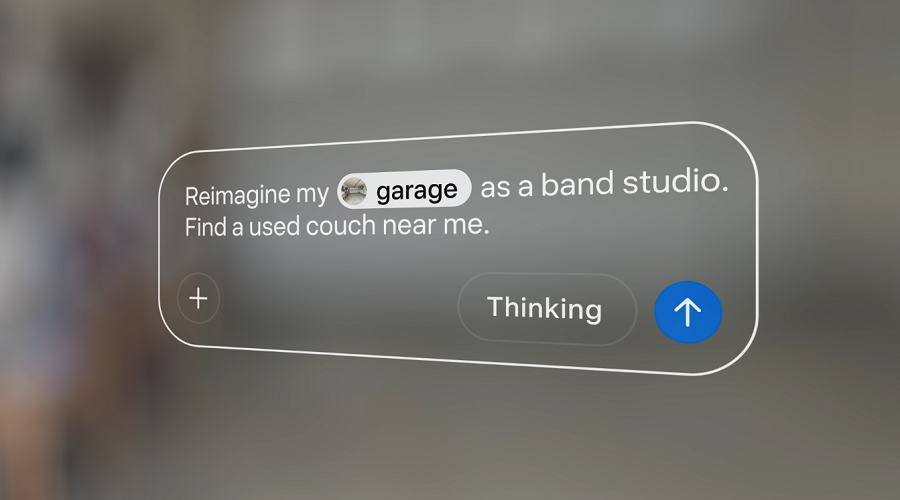
What happened?
Meta Platforms Inc. introduced Muse Image on 7 July 2026, a new AI model developed by Meta Superintelligence Labs. This model can generate images from detailed text descriptions, edit existing photos, and use search tools to retrieve information from the web. Additionally, it has a built-in function for generating code. Muse Image is the second algorithm from Meta Superintelligence Labs, following the Muse Spark language model launched in April 2026. Both models are available via the Meta AI chatbot.
Key facts
| Lanseringsdatum | 7 juli 2026 |
|---|---|
| Modellnamn | Muse Image |
| Utvecklare | Meta Superintelligence Labs |
| Tillgänglighet | Via Meta AI chatbot |
| Föregångare | Muse Spark (april 2026) |
”Meta Platforms Inc. today debuted an image generation model that can write code and search the web.”
”Muse Image is the second algorithm released to date by Meta Superintelligence Labs, the company’s artificial intelligence research group. The first is the Muse Spark large language model that made its debut in April.”
”If a prompt doesn’t contain all the details that Muse Image requires to generate a file, it can use a search tool to retrieve the needed information from the web. Another built-in tool enables the model to generate code.”
Why it matters
The development of Muse Image marks an advancement in multimodal AI, where a single model combines the ability to generate visual content with functions such as coding and web search. The integration of information retrieval tools and code generation broadens the model's use cases and potential applications. It represents a consolidation of various AI capabilities within a single platform.
Who is affected?
Meta AI users gain access to these new features for image generation and coding. Developers can benefit from AI-generated code to streamline certain processes. Competing AI developers and companies are affected by Meta’s continued investment in generative AI and the capacity to integrate complex functions into a user-friendly chatbot.
What else you should know
The code generation function can, for example, be used to transform data from a spreadsheet into a chart using Python scripts, increasing precision in complex visualisations. The model can refine image results by allowing users to upload a sketch that instructs on the desired changes.
Quick answers about this story
Vad har hänt?
När hände det?
Varför spelar det roll?
Vilka funktioner inkluderas?
The link opens in a new window and leads to the publisher's own site.
Källan har spårats automatiskt från utgivaren via Aheadlines signalkedja.
Get similar news straight to your inbox
The reader's room
Send in a question or an addition. The newsroom reads everything before it's published and replies when relevant. No AI-generated text – just people.
Sign in to submit a comment or question.
Read the article through your role
- Decide whether this affects strategy over 6–12 months or is just noise.
- Discuss with leadership: do we own the right question or does ownership need to move?
- Ask: what risk are we taking by NOT acting on this this quarter?
Generated angle — not editorial analysis of "Meta launches image generation with code and search capabili"