Machine learning creates near-undetectable fake receipts
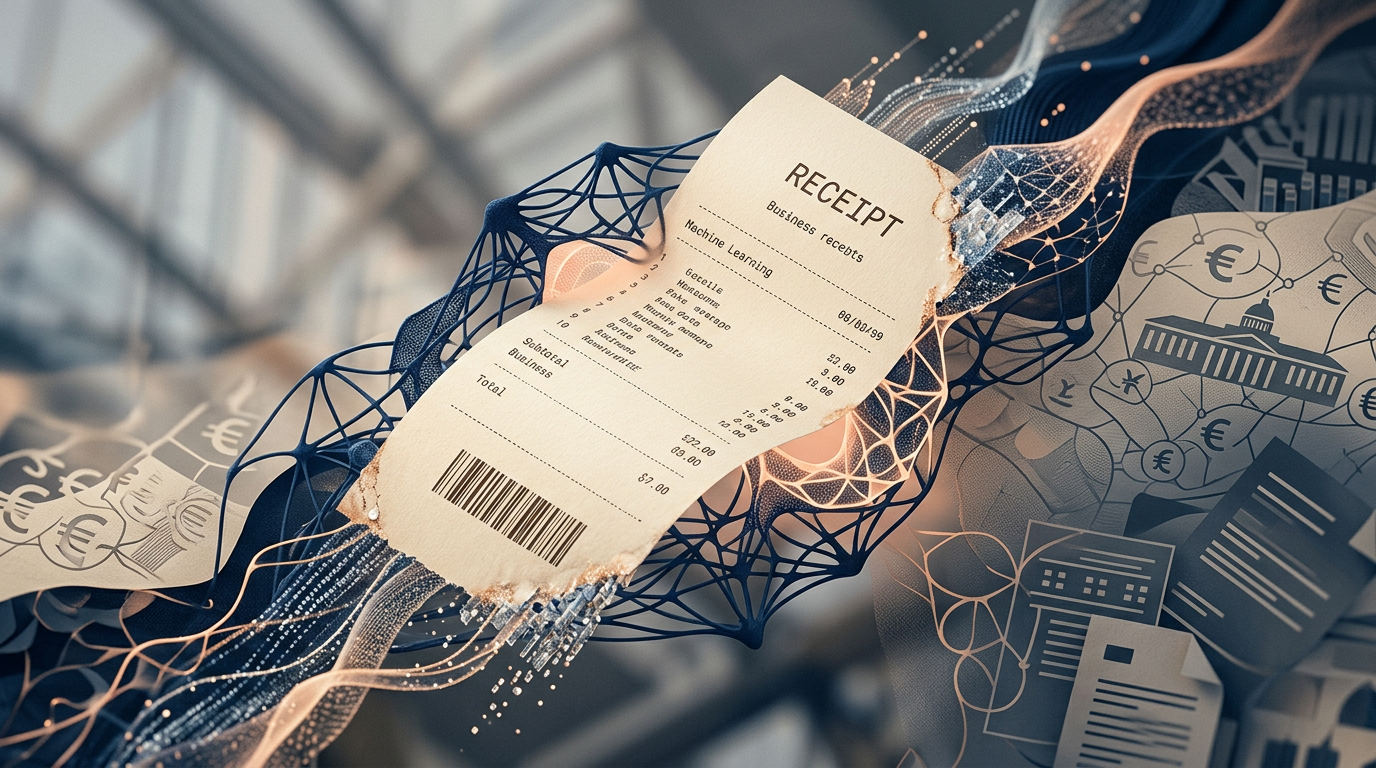
New technology leverages machine learning to generate fraudulent receipts that are virtually indistinguishable from authentic ones, risking extensive fraud against companies globally.
What happened?
A new report highlights an emerging risk where machine learning models are used to produce fraudulent receipts. These receipts are so realistic that traditional verification methods fail to identify them as fakes. The report points to a gap in current security systems, which could lead to substantial financial damage for businesses.
Key facts
| Teknik | Maskininlärning |
|---|
Why it matters
The development of increasingly sophisticated machine learning algorithms has made it possible to automate the creation of fraudulent documents. This innovation enables fraudsters to quickly and efficiently generate large volumes of credible receipts. The problem is exacerbated by a lack of tools to effectively detect these forgeries, leaving companies facing a new type of fraud wave.
Who is affected?
Companies with employees who submit expense reports, particularly large organisations and conglomerates with high volumes of documentation, are directly affected. Financial institutions and auditing firms are also at risk as their verification processes are threatened. Users involved in fraud may also face trust issues with their employers.
Impact on the EU
Companies within the EU, as with those globally, face this challenge. The lack of specific EU regulations or certification frameworks for receipts generated by machine learning means that each member state or individual company must manage the risk using their own resources.
What else you should know
The report emphasises the importance of developing new detection methods and updated internal control guidelines to address the threat from machine learning-generated documents.
Quick answers about this story
Vad har hänt?
När hände det?
Varför spelar det roll?
Vem påverkas?
The link opens in a new window and leads to the publisher's own site.
Källan är en aggregator eller syndikering — vi rekommenderar att verifiera hos primärutgivaren.
AI-verktyg i artikeln
Topics
Get similar news straight to your inbox
The reader's room
Send in a question or an addition. The newsroom reads everything before it's published and replies when relevant. No AI-generated text – just people.
Sign in to submit a comment or question.
Read the article through your role
- Decide whether this affects strategy over 6–12 months or is just noise.
- Discuss with leadership: do we own the right question or does ownership need to move?
- Ask: what risk are we taking by NOT acting on this this quarter?
Generated angle — not editorial analysis of "Machine learning creates near-undetectable fake receipts"