Chinese AI Model Kimi K3 Challenges US Performance
Chinese AI startup Moonshot has launched Kimi K3, a new large language model that analysts say is rapidly closing the gap with leading US models. The release challenges previous assumptions regarding China's progress in AI development.
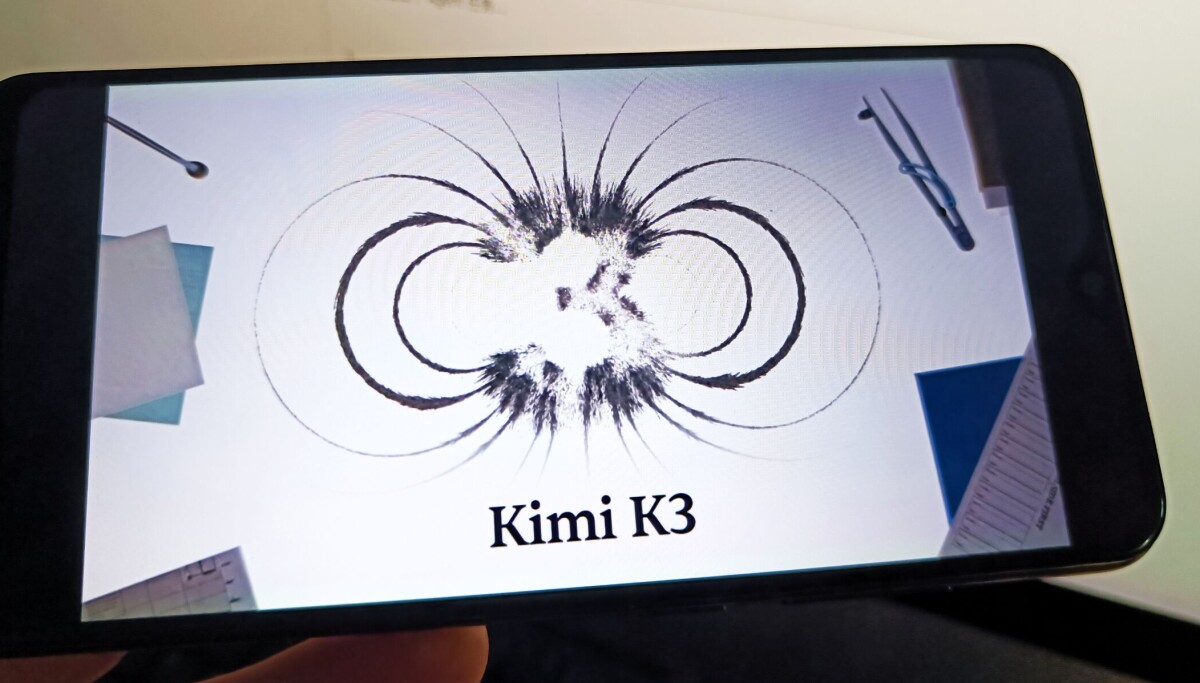
What happened?
On 16 July, the Chinese company Moonshot launched its new AI model, Kimi K3. Reported to have approximately 2.8 trillion parameters, it is the largest AI model from China to date. The launch has garnered international attention as a sign of China's rapid progress in AI development, despite current US technology restrictions.
Key facts
| Lanseringsdatum | 16 juli |
|---|---|
| Antal parametrar | Cirka 2,8 biljoner |
| Utvecklare | Moonshot AI (Kina) |
| Jämförd med | Anthropic Opus 4.8, OpenAI:s GPT 5.5 |
”Moonshots nya modell närmar sig prestandan hos ledande amerikanska aktörer.”
”Kimi K3 uppges vara den största hittills från Kina med omkring 2,8 biljoner parametrar.”
”Kimi K3 görs tillgänglig som en öppen modell. Det kan sätta press på amerikanska bolag som Anthropic och Open AI, vars mest avancerade system är stängda och ofta dyrare att använda.”
Why it matters
The launch of Kimi K3 is seen as a clear indication that the performance gap between Chinese and American AI models is narrowing significantly. Previous estimates suggested China lagged behind the US by eight to twelve months, but Kimi K3 challenges this view. Available as an open model, it could potentially disrupt the market for closed and more expensive US AI systems.
Who is affected?
Developers and companies using AI models are affected by increased competition and more options in the global AI landscape. US AI firms such as Anthropic and OpenAI, whose most advanced systems are proprietary, may face pressure from open models like Kimi K3. Chinese tech companies also benefit from the domestic development driven by Moonshot. Users can expect a wider range of AI services.
What else you should know
Moonshot has published data indicating that Kimi K3 outperforms Anthropic's Opus 4.8 and OpenAI's GPT 5.5 in certain coding and AI agent benchmarks. However, it is noted that the model still lags behind the most advanced systems currently on the market.
Quick answers about this story
Vad har hänt?
När hände det?
Varför spelar det roll?
Vilka bolag berörs?
The link opens in a new window and leads to the publisher's own site.
Källan har spårats automatiskt från utgivaren via Aheadlines signalkedja.
AI-verktyg i artikeln
Topics
Get similar news straight to your inbox
The reader's room
Send in a question or an addition. The newsroom reads everything before it's published and replies when relevant. No AI-generated text – just people.
Sign in to submit a comment or question.
Read the article through your role
- Decide whether this affects strategy over 6–12 months or is just noise.
- Discuss with leadership: do we own the right question or does ownership need to move?
- Ask: what risk are we taking by NOT acting on this this quarter?
Generated angle — not editorial analysis of "Chinese AI Model Kimi K3 Challenges US Performance"