Google DeepMind Develops AI for Safer Hurricane Forecasting
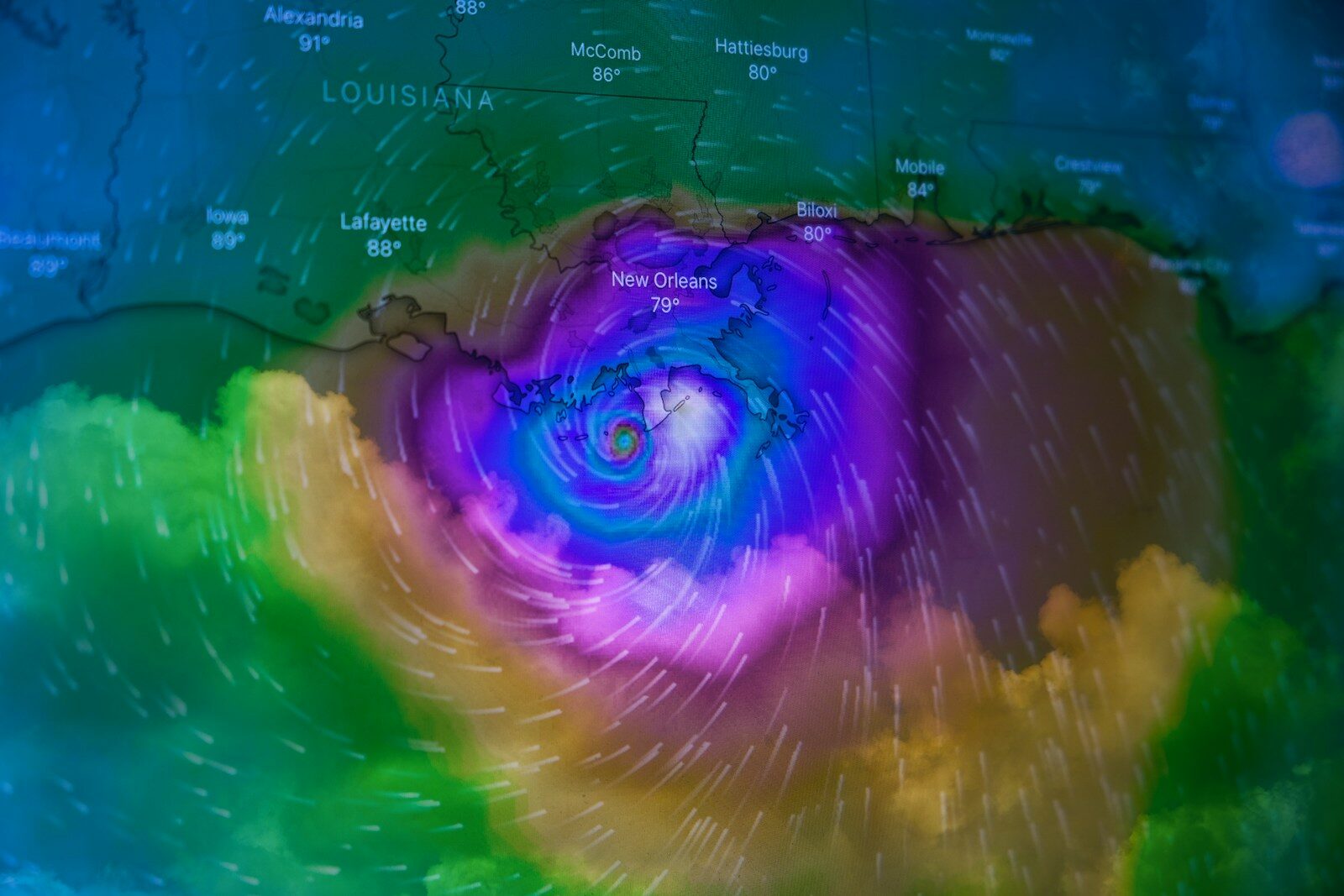
Google DeepMind has introduced WeatherNext Cyclones, an AI model that predicts the path and intensity of tropical cyclones with a lead time 24 hours longer than traditional systems.
What happened?
Researchers at Google DeepMind have developed the WeatherNext Cyclones AI model to predict the paths, intensity, and wind distribution of tropical cyclones. In evaluations, the model provided an average lead-time advantage of over 24 hours compared to leading operational weather systems. For five-day forecasts, the model showed an average track error of 230 kilometres, compared to 370 kilometres for the ECMWF ENS system and 335 kilometres for DeepMind’s previous GenCast model.
Key facts
| Genomsnittligt banfel vid 5 dygn | 230 km (WeatherNext Cyclones) |
|---|---|
| Banfel ECMWF ENS vid 5 dygn | 370 km |
| Banfel GenCast vid 5 dygn | 335 km |
| Maximalt antal stormscenarier | 1 000 scenarier per körning |
Why it matters
By generating ensembles of up to 1,000 possible storm scenarios, forecasters can better quantify uncertainties regarding extreme weather. The model significantly improves accuracy in predicting both storm paths and the risk of rapid intensification, giving authorities more time to prepare for destructive winds.
Who is affected?
The development primarily concerns meteorological institutes, disaster management agencies, and researchers within climate and weather forecasting. The aviation and maritime sectors, as well as emergency services, may also utilise the more precise five-day forecasts for planning and evacuations.
Impact on the EU
The model covers global weather data and is available to researchers and meteorological agencies worldwide, including those in the EU. The model follows EU practices for open climate data and collaboration on meteorological research.
What else you should know
The model's ability to rapidly generate up to 1,000 different scenarios allows meteorologists to better assess the probability of both rapid intensification and extreme wind distribution in tropical cyclones.
Quick answers about this story
Vad har hänt?
När hände det?
Varför spelar det roll?
Hur fungerar scenarioplanneringen i WeatherNext Cyclones?
The link opens in a new window and leads to the publisher's own site.
Källan har spårats automatiskt från utgivaren via Aheadlines signalkedja.
AI-verktyg i artikeln
Topics
Get similar news straight to your inbox
The reader's room
Send in a question or an addition. The newsroom reads everything before it's published and replies when relevant. No AI-generated text – just people.
Sign in to submit a comment or question.
Read the article through your role
- Decide whether this affects strategy over 6–12 months or is just noise.
- Discuss with leadership: do we own the right question or does ownership need to move?
- Ask: what risk are we taking by NOT acting on this this quarter?
Generated angle — not editorial analysis of "Google DeepMind Develops AI for Safer Hurricane Forecasting"