Hidden Reasoning in Claude Decoded by Researchers
New analysis from AI researchers demonstrates how hidden chains of thought in AI models such as Claude can be decoded. The findings provide new insight into how these models process safety protocols and internal instructions.
What happened?
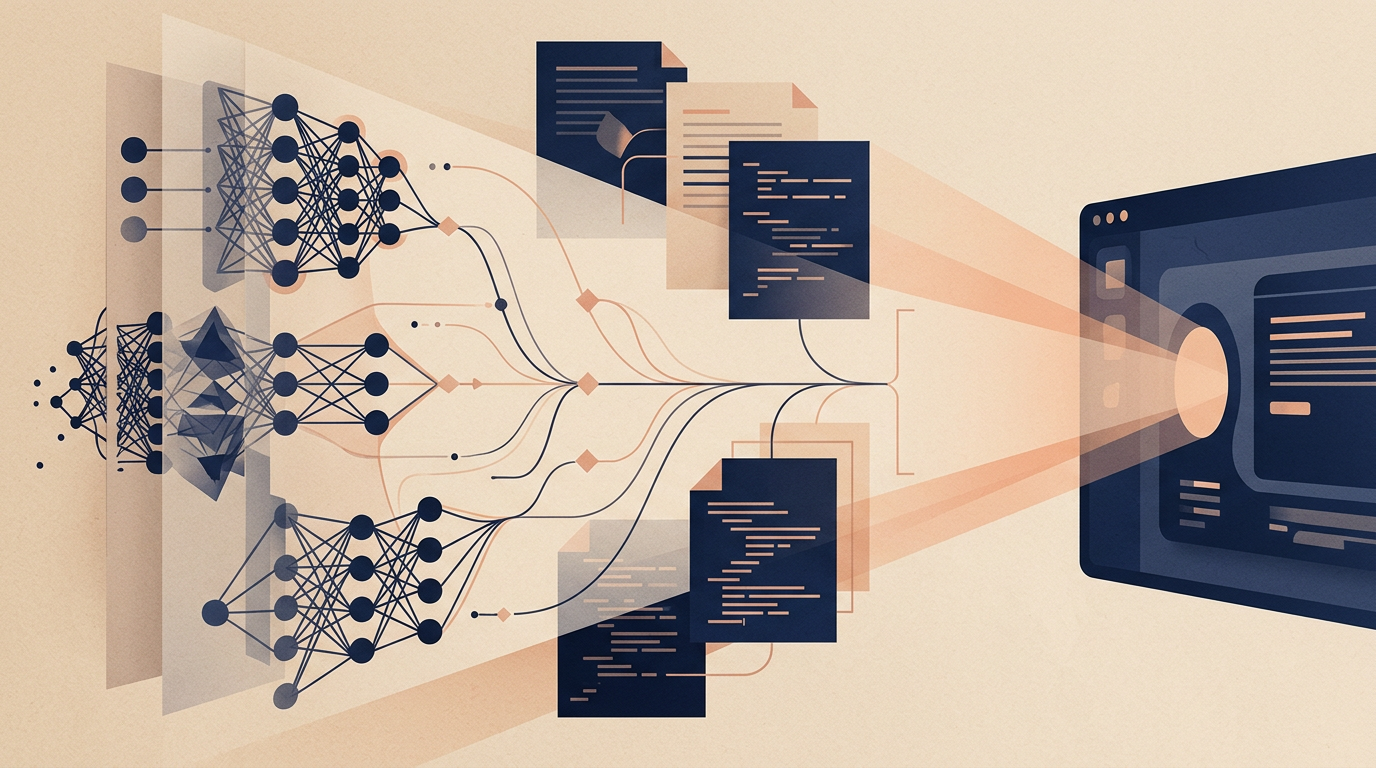
Independent AI researchers have published an analysis detailing their success in decoding hidden reasoning chains within Anthropic's Claude model. By analysing internal representations and logit patterns during generation, the researchers have managed to expose the steps the model typically hides from the user. The analysis demonstrates how the model evaluates internal directives, safety constraints, and contextual nuances before formulating its final response.
Key facts
| Analyserad modell | Claude (Anthropic) |
|---|---|
| Forskningsområde | AI Interpretability & Safety |
| Källa | r/LocalLLaMA |
Why it matters
Understanding hidden reasoning is critical for AI safety and interpretability. By making the processes within the model's hidden layers transparent, researchers can more easily identify how models detect attempted manipulation and how instructions are prioritised in complex prompts.
Who is affected?
Security researchers, AI developers, and prompting experts are most affected, as these insights provide a deeper understanding of how control mechanisms in models function. Organisations building applications on top of large-scale language models also gain new knowledge regarding how safety instructions are interpreted internally.
Impact on the EU
As this security research and the decoded methods are based on open scientific principles and the analysis of available model outputs, users in the EU are not affected differently than those in the rest of the world. Anthropic models adhere to the same safety standards and AI Act regulations regardless of these decoding tests.
What else you should know
The research highlights how models manage internal instructions and potential conflict scenarios during the generation process. Understanding the 'thinking' in hidden layers provides essential insights for preventing jailbreaks and strengthening the security systems of these models.
Quick answers about this story
Vad har hänt?
När hände det?
Varför spelar det roll?
Vilka modeller omfattas av analysen?
The link opens in a new window and leads to the publisher's own site.
Källan har spårats automatiskt från utgivaren via Aheadlines signalkedja.
Get similar news straight to your inbox
The reader's room
Send in a question or an addition. The newsroom reads everything before it's published and replies when relevant. No AI-generated text – just people.
Sign in to submit a comment or question.
Read the article through your role
- Decide whether this affects strategy over 6–12 months or is just noise.
- Discuss with leadership: do we own the right question or does ownership need to move?
- Ask: what risk are we taking by NOT acting on this this quarter?
Generated angle — not editorial analysis of "Hidden Reasoning in Claude Decoded by Researchers"