Databricks simplifies AI agent orchestration with PostgreSQL integration
Databricks has introduced a method to simplify the orchestration of AI agents through direct integration with PostgreSQL databases, enabling more efficient management of agent flows and data manipulation.
What happened?
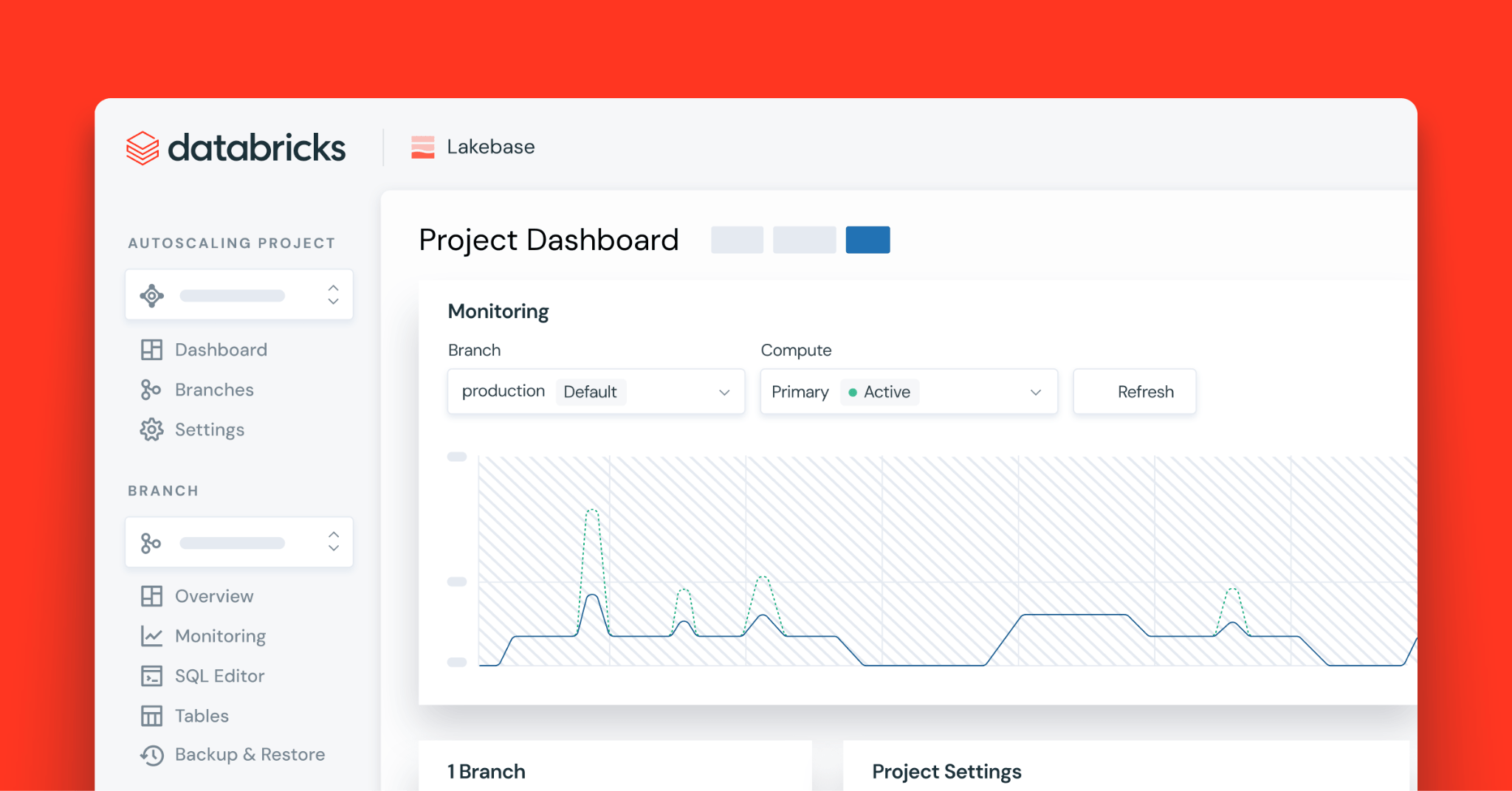
Databricks has presented a new approach to orchestrating AI agents by directly linking them to PostgreSQL databases. This integration facilitates the management of agent workflows and allows agents to perform actions such as reading and writing data, as well as calling external functions directly via SQL commands. The objective is to increase transparency and auditing of AI systems by storing agent decisions and executions in a structured database.
Key facts
| Plattform | Databricks Lakehouse Platform |
|---|---|
| Databasintegration | PostgreSQL |
| Huvudfunktionalitet | AI-agentorkestrering |
| Fördel | Förbättrad spårbarhet och revision |
”Traditionally, auditing is a tedious process that often requires detailed...”
Why it matters
This integration is significant as it addresses challenges in complex AI agent orchestration, where agent interactions and decision-making are often difficult to track and monitor. By using PostgreSQL as a central hub for agent data and events, organisations can achieve a more robust and auditable infrastructure for their AI applications. This is supported by the Databricks Lakehouse architecture, which aims to combine data storage and data warehouse capabilities.
Who is affected?
Developers and data engineers working on building and deploying AI agents, particularly in environments where transparency and auditing of agent behaviour are critical, are directly affected. Companies using AI for process automation, such as within compliance and legal processes, can also benefit from the simplified orchestration and improved traceability. Users of the Databricks Lakehouse platform gain new tools for agent development.
What else you should know
The integration leverages PostgreSQL's proven capabilities for data storage and transaction management, providing a stable foundation for AI agents to interact with and log their operations. This can be compared to how traditional applications use databases to manage state and business logic, but now applied to AI agent interactions.
Quick answers about this story
Vad har hänt?
När hände det?
Varför spelar det roll?
Vilka bolag berörs?
The link opens in a new window and leads to the publisher's own site.
Källan har spårats automatiskt från utgivaren via Aheadlines signalkedja.
AI-verktyg i artikeln
Topics
Get similar news straight to your inbox
The reader's room
Send in a question or an addition. The newsroom reads everything before it's published and replies when relevant. No AI-generated text – just people.
Sign in to submit a comment or question.
Read the article through your role
- Assess technical risk: model choice, vendor lock-in, data flow and running cost.
- Update the architecture doc if new APIs or regulations touch production.
- Ensure observability + rollback plan before rolling out to production.
Generated angle — not editorial analysis of "Databricks simplifies AI agent orchestration with PostgreSQL"